


-

Add: HeBei ShengShi HongBang Cellulose Technology CO.,LTD.
-

Email
13180486930@163.com -

CONTACT US
+86 13180486930
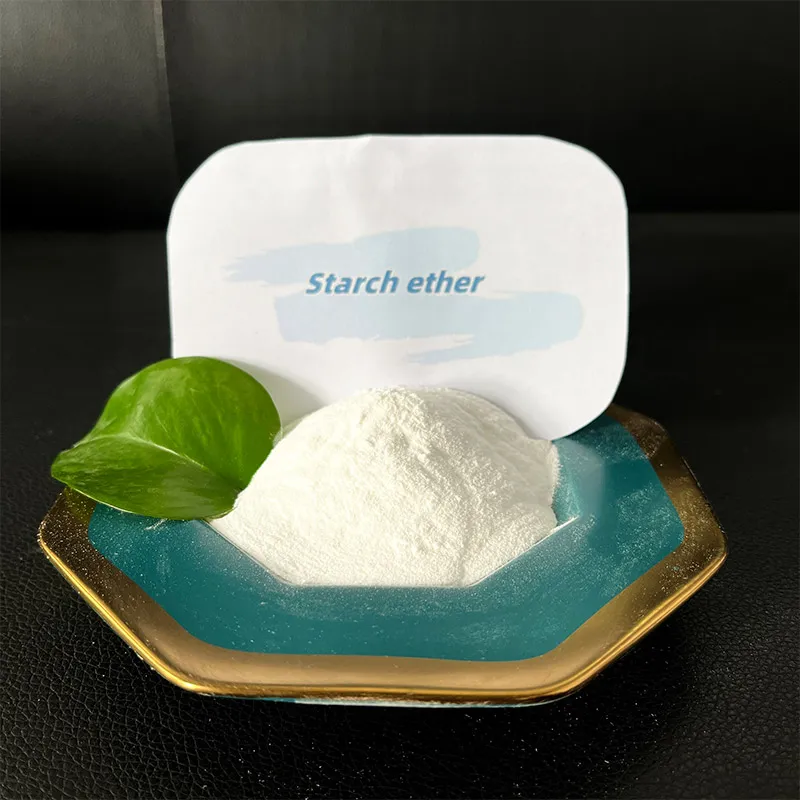
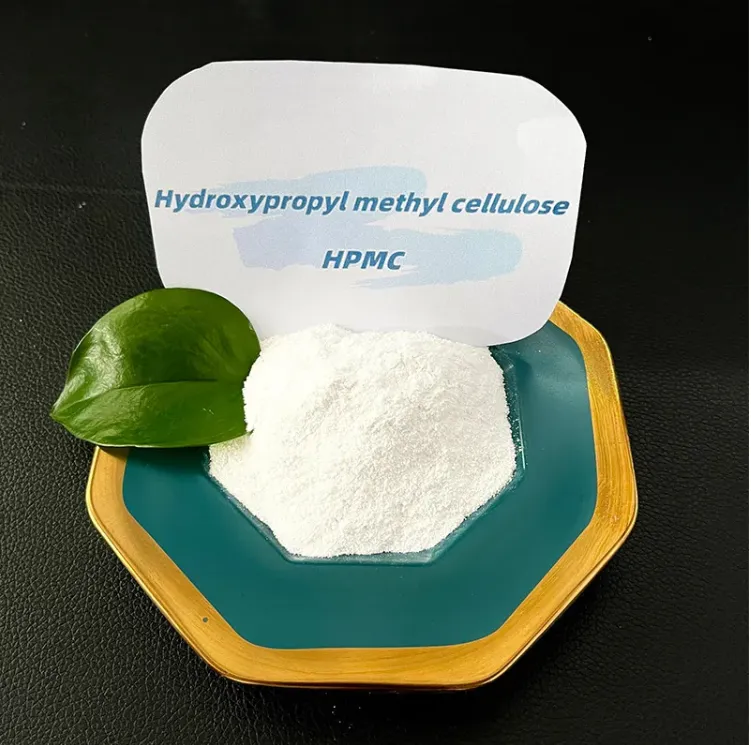


Exploring the molecular weight of hydroxypropyl methylcellulose (HPMC) unveils a nuanced aspect often overlooked yet crucial in multiple applications within pharmaceuticals, construction, and food industries. The molecular weight directly influences HPMC's solubility, viscosity, and functional properties, challenging even the most experienced professionals to match the perfect balance for specific industrial needs. Molecular weight, fundamentally, indicates the size of a single HPMC molecule, typically ranging between 10,000 to 1,500,000 g/mol. This variability allows HPMC to adapt to diverse roles, from thickening agents in sauces to extended-release agents in medicine, showcasing its versatility. In pharmaceuticals, HPMC's molecular weight is instrumental in controlling drug release rates . A higher molecular weight often translates to increased viscosity, which is pivotal in formulating controlled-release drugs. This characteristic ensures that the medication is released at a consistently maintained rate, enhancing the treatment's efficacy and patient compliance. Manufacturers aiming for precision must therefore select HPMC with a molecular weight that aligns perfectly with the intended release profile. The food industry similarly benefits from HPMC's customizable properties. As a stabilizer and texturizer, the molecular weight determines how effectively HPMC can emulsify and retain moisture in products like low-fat dairy or gluten-free items. By adjusting the molecular weight, food technologists can create products with improved mouthfeel and structural integrity, which are crucial for consumer acceptance. In construction, HPMC's role as a rheology modifier is heavily dictated by its molecular weight. For applications in cement-based products, such as tile adhesives or self-leveling compounds, an HPMC variety with an appropriate molecular weight ensures the correct balance of water retention and workability. This factor is critical to achieving the desired slump resistance and tensile adhesion strength in building materials. hpmc molecular weight Despite these benefits, selecting the incorrect molecular weight can lead to suboptimal performance. For instance, in pharmaceuticals, an HPMC with too low a molecular weight could result in rapid drug dissolution, counteracting the desired slow-release effect. Similarly, in construction, using a product with inadequate molecular weight might fail to impart necessary workability or lead to cracking due to insufficient water retention. Adopting a scientific approach, many experts utilize techniques such as gel permeation chromatography or viscometric methods to determine the precise molecular weight of HPMC needed for a given application. These methods provide insights that allow formulators to predict the polymer's behavior, fostering innovation and precision in product development. The authoritative voice in HPMC usage stems from balancing experience with empirical data, ensuring the chosen molecular weight aligns with application-specific requirements. This intricate balance nurtures trust among clients and consumers, who rely on consistent, high-quality products underscored by rigorous scientific validation. In conclusion, understanding and selecting the appropriate molecular weight of HPMC is an art that combines advanced technical knowledge with practical expertise. Professionals tasked with this selection process drive innovation and quality across industries, reinforcing HPMC's role as an indispensable component in achieving desired performance outcomes in countless applications.
- 40000tons

Production
- 20+years

Experience
- 5000+㎡

Acreage

-
Rubber powder, often identified by its industry code as Rubber Powder-821, is garnering attention for its versatile applications across various domains. Derived from recycled rubber products, primarily tires, this fine powder is transforming industries with its multifunctional properties. A noteworthy application of Rubber Powder-821 is in the realm of construction and building materials. Incorporating rubber powder into concrete mixes enhances the durability and flexibility of the material, which is particularly beneficial in regions prone to seismic activity. Concrete treated with rubber powder exhibits superior resistance to cracking and structural degradation, offering a sustainable solution to urban infrastructure demands. In the automotive industry, Rubber Powder-821 serves as a cost-effective additive in tire manufacturing. Its inclusion in new tire formulations results in improved traction and longevity, contributing to increased road safety and reduced maintenance costs for vehicle owners. The enhanced grip from rubber powder-enriched tires is especially advantageous in adverse weather conditions, providing a safer driving experience. The sports and leisure sectors also benefit significantly from Rubber Powder-821. Athletic tracks and playground surfaces fortified with rubber powder deliver increased shock absorption, reducing the risk of injury for athletes and children. These surfaces mimic the natural elasticity needed for diverse sports activities, thus optimizing performance while prioritizing safety. Moreover, the innovative use of Rubber Powder-821 in soundproofing solutions is gaining traction. This material is an excellent insulator of sound, making it indispensable in the construction of residential and commercial buildings requiring noise reduction. Walls and flooring integrated with rubber powder show remarkable noise-dampening capabilities, enhancing the overall acoustic environment for occupants. rubber powder-821 uses In the realm of manufacturing consumer goods, Rubber Powder-821 is proving invaluable. It’s used in the production of items such as floor mats, conveyer belts, and even footwear. The flexibility and wear resistance imparted by the powder increase the product lifespan, which is an appealing trait for manufacturers aiming to deliver high-quality and sustainable goods. Another emerging field where Rubber Powder-821 is making strides is in the development of eco-friendly products. As companies continue to seek greener alternatives, the inclusion of recycled rubber in everyday products meets both durability and sustainability criteria. The ability to repurpose rubber that would otherwise contribute to landfill waste aligns perfectly with global environmental initiatives aimed at reducing ecological footprints. Agriculture is also set to benefit from this resourceful material. The water retention properties of Rubber Powder-821, when mixed with soil, help in drought-prone areas, offering a lifeline to crops by maintaining soil moisture levels. This application not only supports plant growth but also aids in reducing water consumption, thus promoting sustainable farming practices. Rubber powder’s role extends into artistic endeavors as well . Artists and designers are increasingly exploring this material for its textural properties and eco-friendly aspect. From installations to tactile artwork, Rubber Powder-821 is contributing to a new wave of sustainable art, providing an innovative medium for creative expression. The multi-faceted applications of Rubber Powder-821 are a testament to its transformative impact across industries. Its adaptability and efficiency highlight its potential to drive innovation while supporting sustainable practices. As more sectors recognize the benefits, the demand and application for Rubber Powder-821 are poised to expand, cementing its status as an indispensable component in future-forward projects.
-
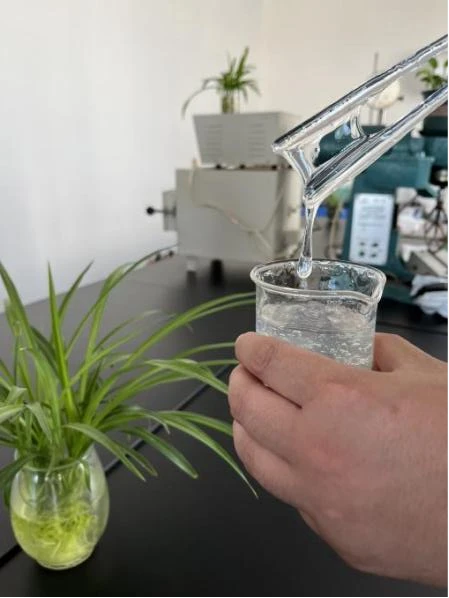
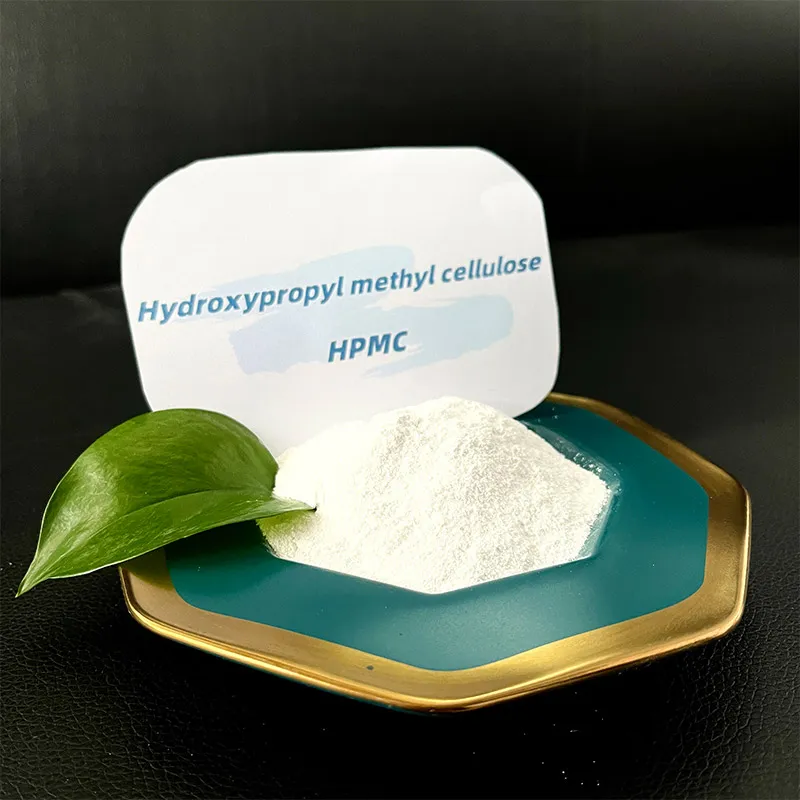
Hydroxypropyl Methyl Cellulose Ether Applications and Benefits Hydroxypropyl methyl cellulose ether (HPMC) is a versatile compound that has gained significant attention in various industries due to its unique properties and wide range of applications. This cellulose derivative, produced by the treatment of cellulose with propylene oxide and methyl chloride, is characterized by its excellent water solubility, film-forming ability, and capacity to modify viscosity. As we explore HPMC, we will delve into its applications, benefits, and future prospects. Properties of HPMC HPMC is a non-ionic, water-soluble polymer that has several advantageous properties. Its viscosity can be modified by altering the ratio of hydroxypropyl and methyl groups, allowing manufacturers to tailor it for specific applications. In addition to its solubility in water, HPMC is also resistant to acids, bases, and fermentation, making it a stable choice for various formulations. It forms a gel upon heating, which then provides a suitable environment for controlled-release applications. These properties make HPMC a key ingredient in pharmaceuticals, food processing, cosmetics, and construction materials. Applications in Pharmaceuticals One of the most prominent uses of HPMC is in the pharmaceutical industry, where it serves as a binder, film former, and controlled-release agent in drug formulations. HPMC is commonly found in tablet formulations, enhancing the uniformity and stability of the active ingredients. Its ability to form a gel at elevated temperatures is particularly useful in developing sustained-release medications, allowing for a gradual release of the drug over time, which can improve patient compliance and therapeutic outcomes. Moreover, HPMC is utilized as a coating agent for tablets and capsules, providing a protective layer that enhances the product’s stability and appearance. In topical formulations, HPMC contributes to the viscosity and texture, improving the feel and application of creams and ointments. The versatility of HPMC in pharmaceuticals underscores its importance in enhancing the efficacy and delivery of medicinal compounds. Role in Food Industry hydroxypropyl methyl cellulose ether In the food industry, HPMC is valued for its thickening, emulsifying, and stabilizing properties. It is used in various food products, including sauces, dressings, and ice creams, to improve texture and consistency. HPMC acts as a fat replacer, offering a creamy mouthfeel without the addition of calories, making it an ideal ingredient in healthier food alternatives. Additionally, HPMC is recognized for its role in gluten-free cooking. It helps bind ingredients together, enhancing the texture of baked goods, which often lack the structure provided by traditional gluten. Its ability to retain moisture also contributes to the freshness and shelf-life of food products, making it a crucial ingredient in modern culinary applications. Applications in Construction The construction industry has also embraced HPMC, where it is used as a key component in cement-based formulations, tile adhesives, and plaster. Its water-retaining properties help maintain workability and improve adhesion, making it easier to apply materials in various conditions. HPMC acts as a thickening agent in cement mixtures, enhancing the ease of application while minimizing sagging and slipping during the curing process. This contributes to the durability and strength of the final product, making HPMC a valuable additive in construction materials. Benefits and Safety HPMC is generally regarded as safe for use across various industries, with the Food and Drug Administration (FDA) and other regulatory bodies recognizing it as a non-toxic and non-allergenic compound. Its natural origin from cellulose makes it appealing to consumers who are increasingly seeking clean-label products. The multifunctional properties of HPMC allow for reduced formulation complexity, fewer raw materials, and enhanced efficiency, making it a cost-effective choice for manufacturers. Conclusion In conclusion, hydroxypropyl methyl cellulose ether is a multifunctional compound with a wide array of applications across numerous industries, including pharmaceuticals, food, and construction. Its unique properties, including water solubility, film-forming capacity, and viscosity modification, make it an invaluable ingredient in enhancing product performance. As industries continue to innovate, the demand for HPMC is expected to grow, solidifying its position as a vital component in modern formulations. The exploration of new applications and the development of tailored HPMC products will likely continue, showcasing the enduring relevance of this remarkable cellulose derivative.
advantages
-

200000 Viscosities
Excellent product
We can produce pure products up to 200,000 viscosities
-

40000 tons
High yield
We don’t stop production all year round, and the annual output can reach 40,000 tons
-

24 hours
Quality service
We provide 24-hours online reception service, welcome to consult at any time
———— Inquiry Form
Schedule A services


-
 bubuk_emulsi_yang_dapat_didispersikan_kembali
Oct . 25, 2025
The digital marketplace thrives on innovation, technological advancement, and the ability to solve r -
 serat_polipropilen_untuk_screed
Oct . 25, 2025
HPMC Monograph Your Comprehensive Guide to Understanding Hydroxypropyl Methylcellulose in Product Fo -
 maombi_ya_nyuzi_za_polypropen
Oct . 25, 2025
In the world of industrial applications, particularly in the realm of pharmaceuticals and constructi


